
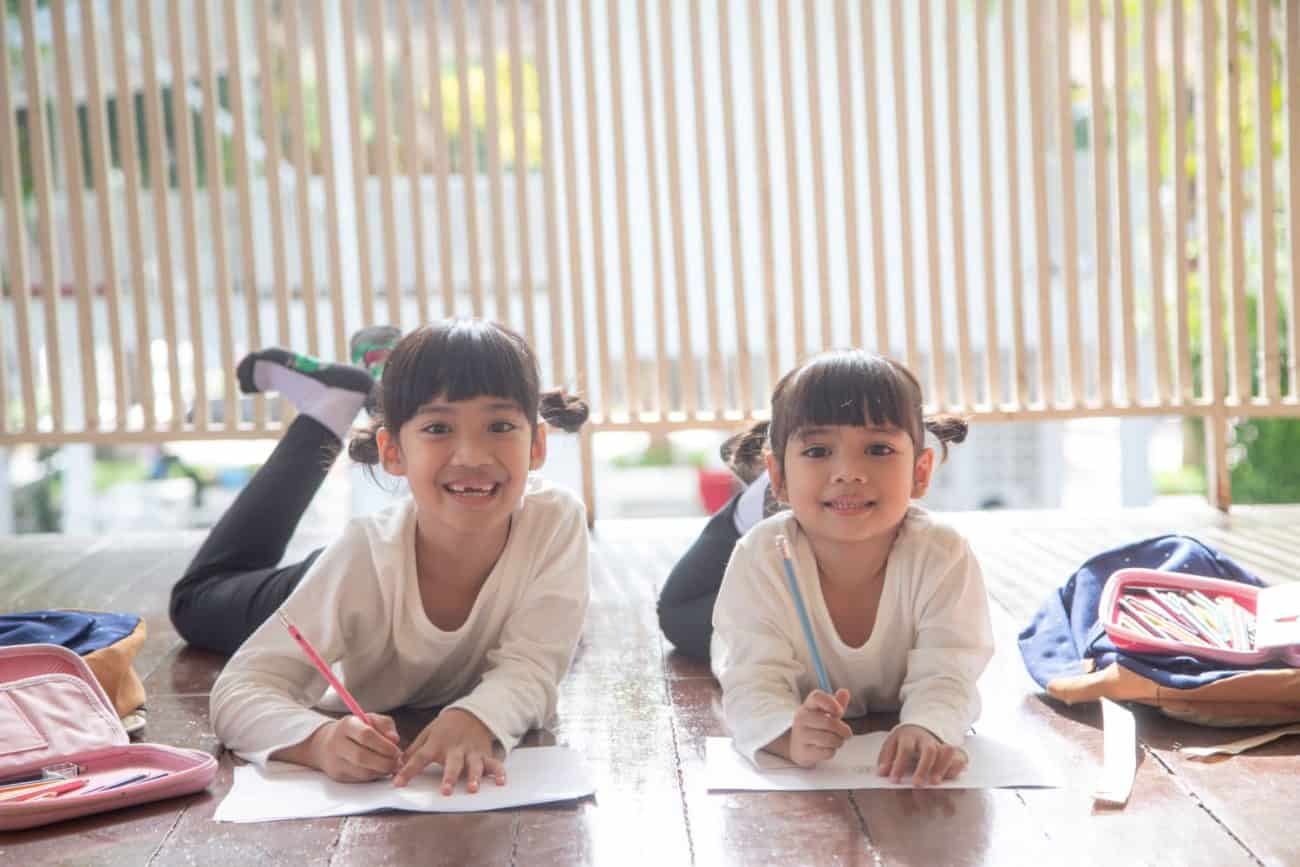
Finding the perfect kindergarten in Chiang Mai for your little one can feel like a challenging job, can’t it? With so many options available, it’s easy to get overwhelmed. But don’t worry, you’re not alone in this journey.
Understanding Your Child’s Needs
Every child is unique, so pinpointing what makes them tick is crucial. Let’s break it down:
Learning Style
Kids absorb information in unique ways. Some are visual learners who thrive on picture books and colourful charts, while others are kinaesthetic learners, needing hands-on activities to get the concept. Ensure the kindergarten offers diverse teaching methods to match your child’s learning style. For instance, check if they use interactive whiteboards or have a lot of crafting sessions.
Social Interaction
Observe how your child interacts with others. Do they love being the centre of attention, or are they more reserved, preferring one-on-one play? This insight helps you choose a kindergarten that matches their social comfort zone, be it a larger group setting or a smaller, more intimate environment.
Emotional Support
Children’s emotional needs are as important as their academic ones. Look for kindergartens with a strong support system, like providing guidance counsellors or regular emotional health check-ins. Ask if they have programmes that encourage positive behaviour and teach coping skills.
Special Needs
If your child has special needs, ensure the kindergarten can accommodate them. Check if they have the right facilities and trained staff. It’s not just about physical accessibility; also enquire about tailored educational plans and resources.
Physical Activity
Physical development is vital during early years. Find out if the kindergarten emphasises physical activity. Do they have spacious playgrounds and a variety of sports equipment? Regular physical activity helps in overall growth and can even make learning more effective.
Curriculum Focus
Consider what kind of curriculum aligns with your child’s interests and future goals. Do they lean towards arts, sciences, or a balance of both? Ensure the kindergarten curriculum offers subjects and extracurricular activities that will keep your child engaged and inspired. Look for details like foreign language programmes, music lessons, and science projects.
Health and Safety
A child’s health and safety are non-negotiable. Ask about their hygiene practices, emergency protocols, and staff-to-child ratio. Ensure the kindergarten maintains high standards in cleanliness and has well-trained staff to handle emergencies.
By focusing on these aspects, you’ll find a kindergarten in Chiang Mai that suits your child’s needs perfectly.
Types Of Kindergarten Programmes
You’re in Chiang Mai, looking for the perfect kindergarten, right? So many programmes, it’s easy to get lost. Let’s break them down and see what’s what.
Montessori
Montessori programmes focus on self-directed activity and hands-on learning. Kids can choose their activities, encouraging independence and confidence. The classroom is often set up with various stations where children can engage in tasks at their own pace. It’s less about structured lessons and more about exploration.
Teachers take a back seat, stepping in only when needed. They observe and guide, but mostly let kids discover on their own. This approach can be particularly beneficial if your child thrives on autonomy and loves exploring new things. But, it might not be a fit if your child needs more structure to thrive.
Reggio Emilia
Reggio Emilia programmes are all about project-based learning inspired by the child’s interests. Kids often work in group projects, fostering cooperation, interaction, and relationship-building. The curriculum’s flexible, shaped by the children’s curiosity and emerging interests.
Teachers act as co-learners, sparking curiosity and directing the learning journey. They document the children’s work to understand their progress and tailor the activities accordingly. This method supports creative thinking and is perfect if your child’s a little artist or constantly asking “why?”. But beware, it might seem a tad chaotic if you prefer a more predictable system.
Traditional Thai
Traditional Thai kindergartens follow a more structured curriculum focusing on academics, moral values, and cultural practices. These schools often emphasise respect for elders, discipline, and social responsibility. Classes usually include a mix of lessons in Thai language, math, and moral education, along with arts and physical activities.
Teachers take a more authoritative role, directing the learning process and maintaining classroom order. This can be ideal if your child benefits from a clear routine and structured environment. But, if your child prefers freedom and exploration, this might not be the best fit.
Choosing the right kindergarten involves understanding these key differences and matching them to your child’s unique needs.
Key Factors To Consider
When it comes to choosing the right kindergarten in Chiang Mai, several factors come into play. From location to curriculum, here’s what you need to know.
Location
Proximity matters. Chiang Mai’s hectic traffic can make the school run a nightmare. Find a kindergarten near your home or workplace. It’ll save you time, energy, and stress.
- Transport: Easy access to public transport can be a game-changer. Check for buses or trains nearby.
- Safety: What’s the neighbourhood like? Ensure it’s safe and child-friendly, with minimal traffic hazards.
- Facilities: Nearby parks or recreational facilities can be an added bonus. Great for post-school fun and activities.
Curriculum
The curriculum shapes your child’s learning journey. Chiang Mai offers a variety of educational approaches.
- Traditional Thai: Emphasises structure and routine. Great for kids who thrive on consistency.
- Montessori: Focuses on self-directed learning. Ideal if your little one likes to explore and learn at their own pace.
- Reggio Emilia: Encourages project-based learning. Perfect for creative kids with a knack for collaboration.
- Language Options: Some kindergartens offer bilingual or even trilingual programmes. Helpful in a multi-lingual household or if you want to give your child an early start in languages.
Class Size
Class size can significantly affect the quality of education and individual attention your child receives.
- Small Classes: Offer more one-on-one time with teachers. Better for personalised learning.
- Large Classes: Provide more social interaction opportunities but might lack individual attention. Decide based on your child’s social needs.
- Teacher-Student Ratio: Always check this. Lower ratios mean more focused attention for each student.
Teacher Qualifications
Qualified and experienced teachers make all the difference in your child’s education.
- Certifications: Ensure teachers hold relevant educational degrees and certifications. Look for credentials in early childhood education.
- Experience: Experienced teachers can better handle diverse classroom situations. They bring a wealth of knowledge and practical skills.
- Passion: Engage with the teaching staff. Passionate educators are often more committed to their students’ growth and development.
- Ongoing Training: Does the kindergarten invest in ongoing teacher training? This keeps educators up-to-date with the latest teaching methods and technologies.
Choosing the right kindergarten in Chiang Mai involves considering these key factors. Each element, from location to teacher qualifications, plays a crucial role in ensuring a positive and enriching experience for your child.
Visiting And Assessing Kindergartens
Heading out to visit kindergartens in Chiang Mai? It’s an exciting step and a big decision. Let’s break down what you should be keeping an eye out for and the questions you need to ask to make the best choice for your little one.
What To Look For
When you’re on the hunt for the perfect kindergarten, check out the environment first. Is it safe, clean, and inviting? You want a place that feels welcoming and secure. Wander around the classrooms. Do they look organised but still fun and creative? Kids thrive in a space where learning is playful.
Pay attention to the teachers. Are they friendly and engaging? Watch how they interact with the children. It’s crucial they seem genuinely interested and warm. Check out the class sizes too. Smaller classes usually mean more personalised attention for each child.
Peek at the playground. Is it spacious and filled with age-appropriate equipment? Outdoor time is huge for kids’ development. Also, don’t forget to sniff around the vibe of the place. It should feel positive and buzzing with energy.
Questions To Ask
Got your notepad ready? When you’re there, fire off some key questions. Ask about the staff’s qualifications and training. How experienced are they with early childhood education? Look into the curriculum. Is it balanced with academic activities and play? You’ll want a mix that suits your child’s needs.
Inquire about the daily schedule. What does a typical day look like? Also, what’s the student-to-teacher ratio? Lower numbers usually mean each child gets more attention.
Don’t shy away from asking about discipline policies. What’s their approach to managing behaviour? And, see if they have protocols for emergencies. Safety is non-negotiable.
Remember, it’s not just about ticking boxes. Trust your gut. If something feels off or you’re super excited about a place, that’s worth considering. Your instincts matter a lot in making this big decision.
Cost And Budgeting
Choosing the right kindergarten in Chiang Mai means understanding the costs involved. Here’s where budgeting gets real.
Tuition Fees
First up, tuition fees. These can range from around 50,000 THB to 300,000 THB annually (depending on the school and programme). While private international schools typically charge more than local kindergartens, the fees often cover a broader curriculum and more extracurricular activities.
Additional Costs
Apart from tuition, you’ll encounter additional costs. Think uniforms, meals, transport, and field trips. Uniforms can set you back 1,000 – 3,000 THB, meals typically add 50 – 100 THB per day, and transport ranges from 2,000 – 5,000 THB monthly. Field trips and special activities might cost extra, so keep an eye out for these expenses.
Scholarships and Financial Aid
Don’t dismiss scholarships and financial aid. Some schools offer scholarships based on merit or need, which can significantly cut costs. Always ask about available options during your initial visit.
Payment Plans
Many kindergartens offer flexible payment plans. Instead of one large annual payment, you might opt for term-wise or monthly instalments. This can spread out the financial burden and make budgeting more manageable.
Comparisons
Do a quick side-by-side comparison of schools. Check what’s included in the tuition fees and what’s considered extra. List the additional costs for a clearer picture. It’s all about balancing quality education with what fits your budget.
Hidden Costs
Be aware of hidden costs. Some schools might have hidden fees like registration charges, building funds, or activity fees. Always inquire upfront to avoid surprises later.
Re-evaluating Budget
It’s good to review and re-evaluate your budget regularly. As your child progresses, costs can change. Regularly updating your financial plan can keep you prepared for any surprises.
In Chiang Mai, you’ve got diverse choices, but understanding costs is key. So, take your time, ask questions, and pick a kindergarten that balances quality and affordability.
Conclusion
Choosing the right kindergarten in Chiang Mai is a significant decision that can shape your child’s early educational journey. By considering various factors such as learning styles, curriculum options, and teacher qualifications, you can find a suitable environment that caters to your child’s unique needs. Visiting and assessing potential kindergartens will give you a clearer picture of what each institution offers.
Don’t forget to factor in the financial aspects, including tuition fees and additional costs, to ensure the kindergarten fits within your budget. Trust your instincts throughout the process; they’re invaluable in making the best choice for your child’s future.
